How Car Key Fob Programming Works and Why It Goes Wrong
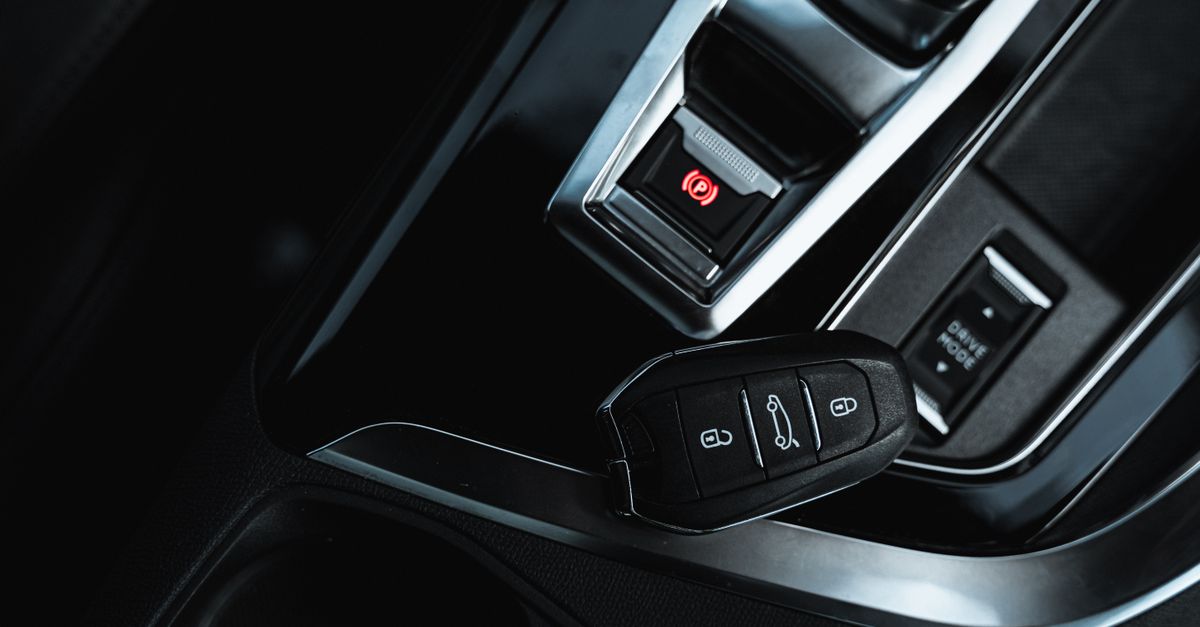
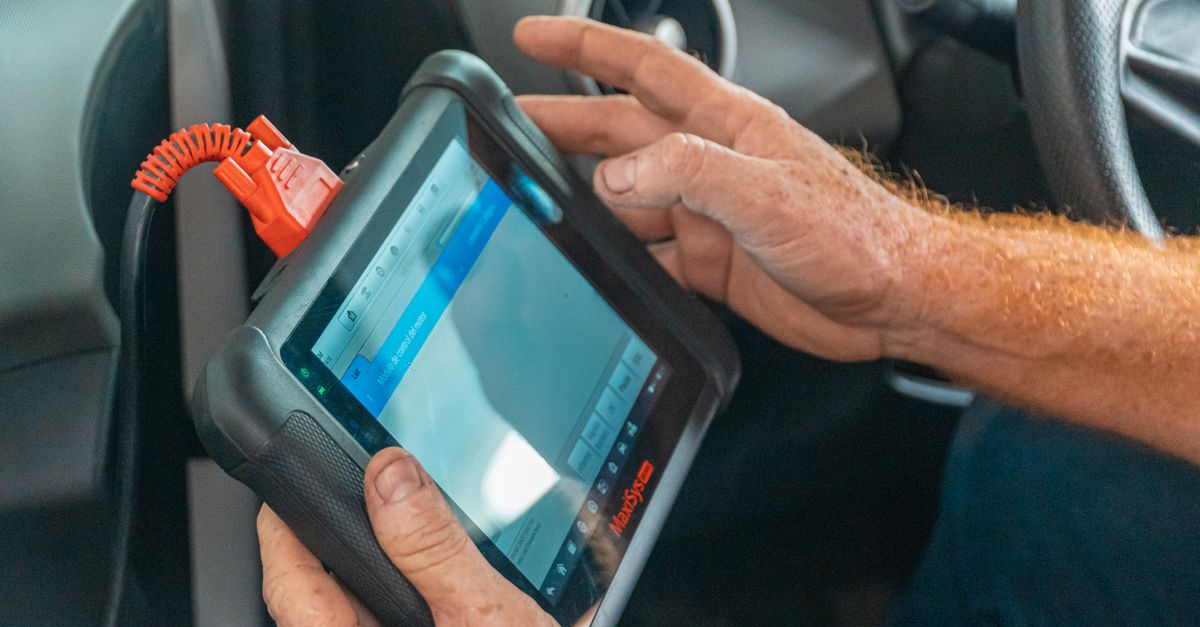
Every modern key fob is assigned a unique rolling code that must be synchronized with your vehicle's onboard computer before the car will respond to it. When you buy a new or replacement fob, that synchronization has not yet happened — the fob is essentially blank until it is programmed to match your specific vehicle identification number. A skilled technician uses professional-grade automotive programming software to write that pairing, a process that typically takes only a few minutes once the right hardware is connected. However, the process is more involved for certain luxury models, push-to-start vehicles, and trucks with factory remote-start packages, all of which require additional security handshakes that consumer-grade tools simply cannot complete.
Common triggers for losing fob function include battery corrosion inside the fob housing, signal interference from aftermarket electronics, accidental deprogramming when a new key is added to the system incorrectly, and physical water or impact damage to the transponder coil. Many drivers in Piscataway spend money on multiple new batteries before realizing the fob itself needs reprogramming or outright replacement. If your fob clicks but the car does not respond, or if the vehicle starts with the physical blade key but ignores the fob entirely, those are strong signs that a programming session — not just a new battery — is what you actually need.